LI · EuropeMH · Oceania
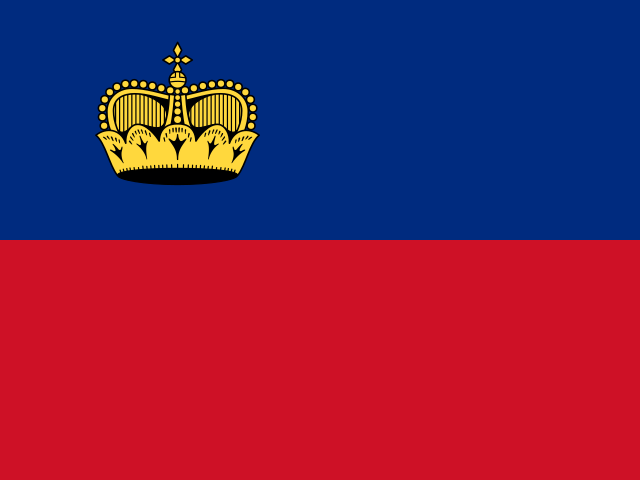

Liechtenstein vs Marshall Islands: tax rates compared
Liechtenstein's income tax rate is 10.4pp higher than Marshall Islands's (22.4% vs 12%). The 200-country average is 28%: both sit below it. Liechtenstein's figure is dated 2026-06-09 and Marshall Islands's 2018-05-21, so the two rates come from different data vintages.
Verified data covers two of the six tracked tax types for both countries; every rate below is cited to its source and dated.
At a glance
| Tax | LI | MH | Difference |
|---|---|---|---|
| Income Tax | 22.4% | 12% | LI +10.4 pplargest gap |
| Wealth Tax | 0% | 0% | match |
Income Tax
| Country | Rate | Source |
|---|---|---|
| Liechtenstein | 22.4% | Source: PWC Worldwide Tax Summaries — Liechtenstein (Individual, Taxes on personal income) · as of 2026-06-09 |
| Marshall Islands | 12% | Source: Nitijela (Parliament) of the Republic of the Marshall Islands — Title 48 MIRC, Chapter 1, Income Tax Act 1989, Section 103 (Tax on Wages and Salaries) · as of 2018-05-21 |
| Difference | +10.4 pp | Liechtenstein higher |
Wealth Tax
| Country | Rate | Source |
|---|---|---|
| Liechtenstein | 0% | Source: PWC Worldwide Tax Summaries — Liechtenstein (Individual, Other taxes) · as of 2026-06-09 |
| Marshall Islands | 0% | Source: Nitijela (Parliament) of the Republic of the Marshall Islands — Title 48 MIRC, Chapter 1, Income Tax Act 1989 · as of 2026-07-18 |
| Difference | 0 pp | displayed rates match |
Liechtenstein's wealth tax rate is identical to Marshall Islands's — both sit at 0%. The 193-country average is 0.1%: both sit below it.
Not covered for both countries yet: Corporate Tax, VAT, Capital Gains Tax, Crypto Tax.